An accidental beginning: Print, stitch & a practice shaped by curiosity
Introduction: I really appreciated having the opportunity to answer questions about my practice and to feature in the ‘Artist Spotlight’ on https://berrylnews.com/. It was useful to reflect on my artistic journey, how I got here and where I am heading. Here are some of the questions and my replies. I hope this gives you further insight into my work.
Artistic Journey: Could you share what initially drew you to art and how your career has evolved since you began?
I spent a good chunk of my life believing I had no interest in art and that I wasn’t creative. Then one day, curiosity drew me into a newly opened local art shop. I signed up to a one day textile course and my journey began there. A few similar courses followed.
Frustrated that I didn’t have the skills and knowledge to progress the work on my own, I joined a City & Guilds course in Stitched Textiles to develop my design skills. As the course ran at weekends, this meant that I could follow a creative path alongside my corporate career and I never looked back.
After one of the summer breaks, one of the other students showed me some fabric that she had printed. The possibilities this process offered really excited me and I knew this was something I had to learn more about. Printing my own cloth led me to explore more traditional printmaking which I did alongside my fabric pieces.
Creative Process: Can you walk us through your creative process, from the initial concept to the completed artwork?
My work usually begins with a research phase, where I let curiosity lead the way as I explore ideas and materials.
At the moment, I’m focused on the Cambridgeshire peatlands. I’ve taken photographs, written notes about my visit, and looked into how peat is formed, lost and restored. Back in the studio, I sketch out ideas, searching for marks and shapes in the landscape that might inform my work. I often use digital tools to test out ideas, experimenting with colour palettes, scale shifts, and compositions.
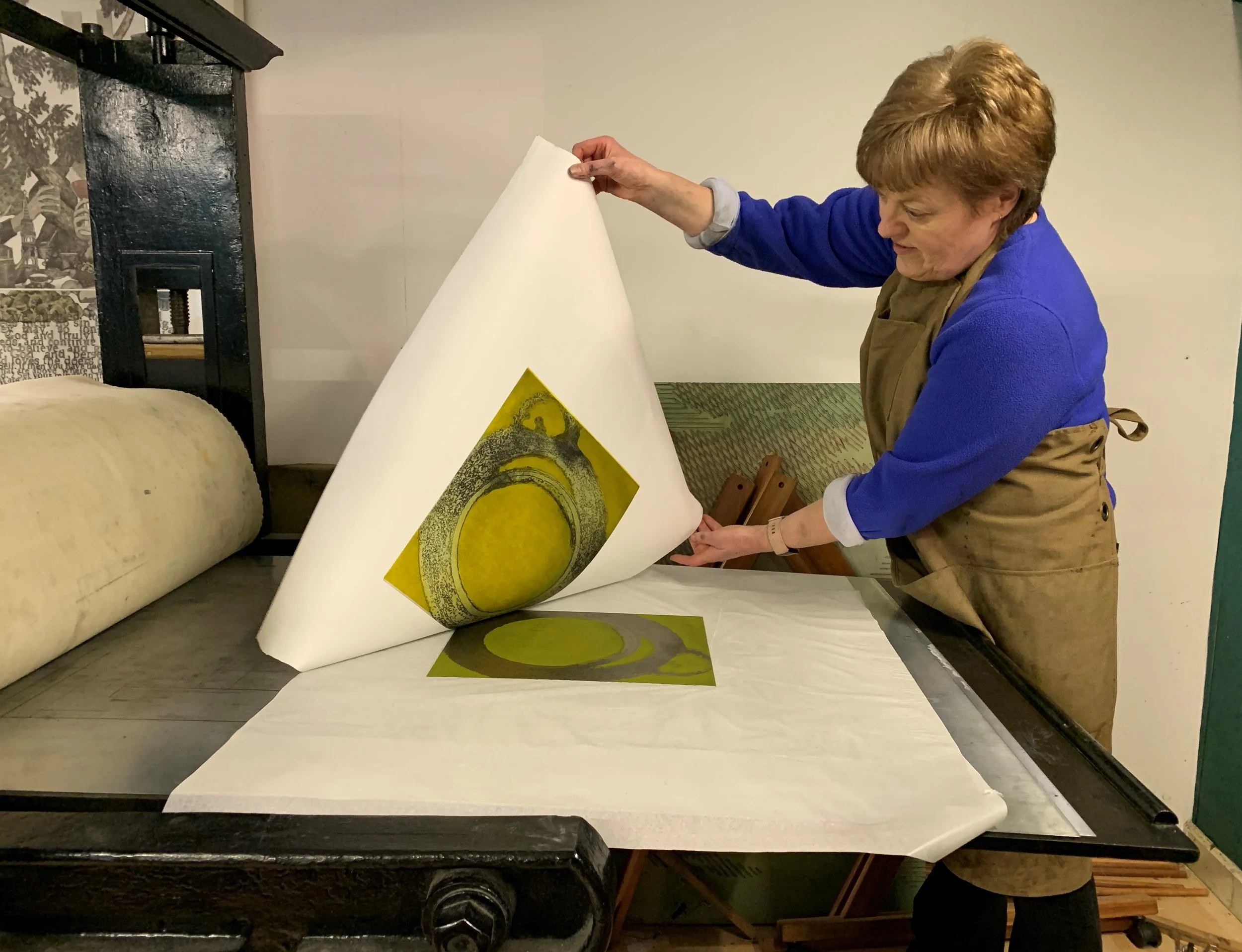
I particularly enjoy mono printing, using colours and marks inspired by the landscape. I collage using these prints, which helps me develop ideas further. Some of the collages may evolve into finished pieces, while others simply help shape the direction of the work.
I don’t always follow every idea through to completion, but nothing is ever wasted. Even an idea that’s set aside can feed into another line of enquiry or resurface in future work. Sometimes, ruling something out is also a valuable part of the process.
Material Choices: You've been incorporating natural pigments into your work. What motivated this choice, and how do you source these materials?
Much of my work is inspired by landscape, so I was really drawn to the idea of creating art about a place and from it. One recent piece, The View Across, was inspired by the landscape architect Humphry Repton and his work at Panshanger Park in Hertfordshire. For that project, I collected soil directly from the site, ground it, mixed it with soymilk, and used it to dye the cloth which is a way of embedding the landscape physically into the work.
Before that, I created a piece called Be More Daisy, which was printed using mostly colours derived from avocado pips and onion skins sourced from my own kitchen. Both projects explore sustainability and celebrate the natural world
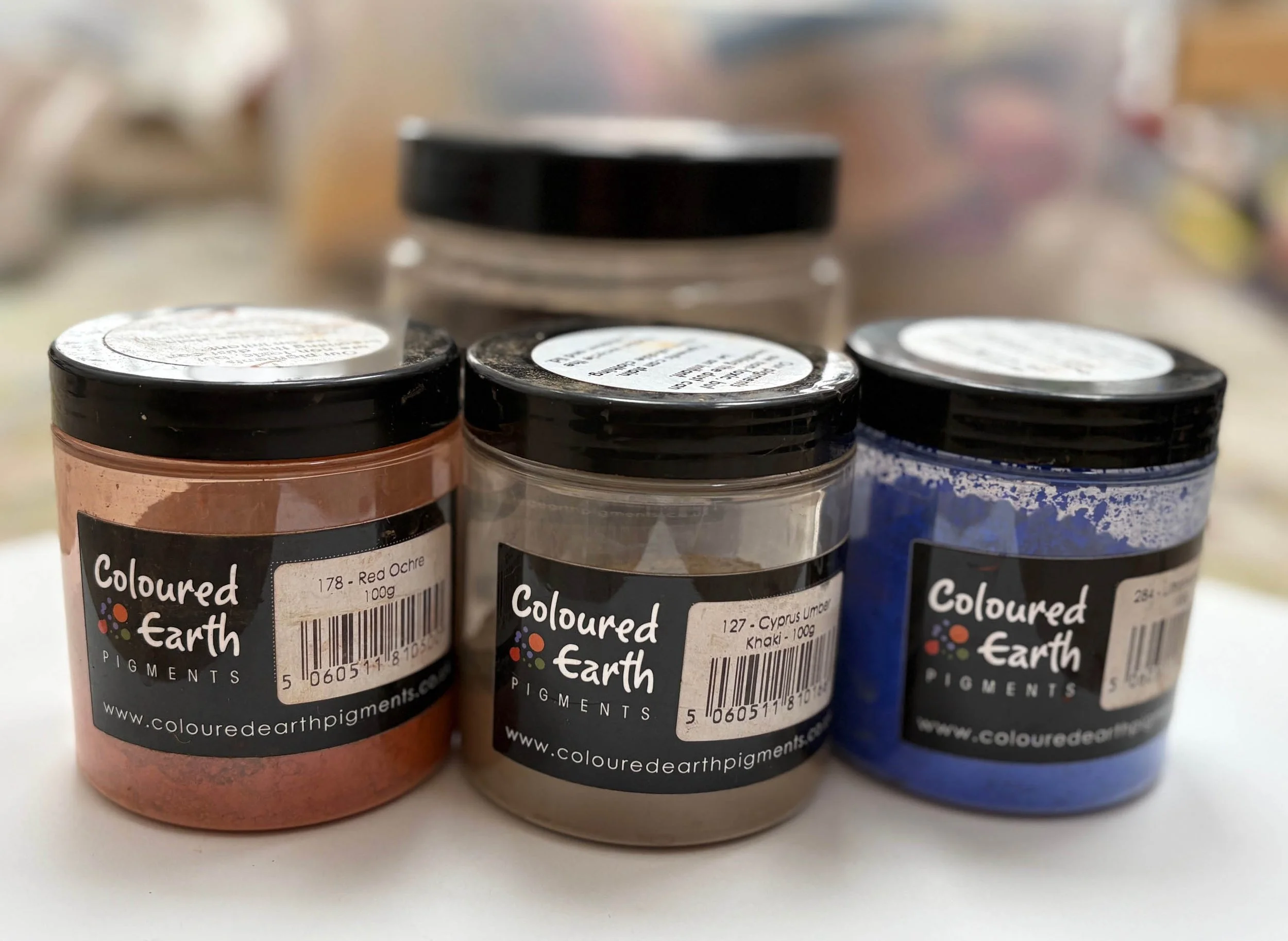
That said, not all of my colour comes from found or foraged sources. I’ve also created work using natural pigments purchased from a supplier in Wales. While I use natural colourants to dye my cloth, I still incorporate more traditional materials into my collage work.

Balancing Structure and Spontaneity: Your work balances structured compositions with elements of chance. How do you achieve this balance, and what does it signify in your art?
Structure plays an important role in how I think and plan - it's something I naturally lean towards. Whilst I will most likely deviate from that structure as the work progresses, having it in place gives me a starting point and a sense of direction. Structured elements appear in my work, usually through defined shapes.
That said, I’m not aiming for things to be predictable or mechanical. I really enjoy the unpredictability that comes from processes like printing and layering. By bringing these spontaneous elements into those defined areas, I create a balance between the controlled and the experimental. This is where the work feels most satisfying to me.
Advice for Aspiring Artists: What advice would you offer to emerging artists who are developing their own style and voice?
Pay attention to what subjects inspire you and what styles, processes and materials excite you. Which of these will leave you eager to get into the studio? Those are the clues to finding your own creative voice and developing your own unique style.
Future Directions: Are there new themes or mediums you're interested in exploring in your future work?
I’m exploring the Cambridgeshire Fens as a source of inspiration. This exploration is unfolding through a mix of materials, earth pigments on linen, as well as printing with acrylic and collage. Sometimes I wonder if I should commit to just one approach but I don’t think I’m ready to break up with either of them yet! Each offers something different, and I’m keen to keep developing, especially when it comes to layering with earth pigments.
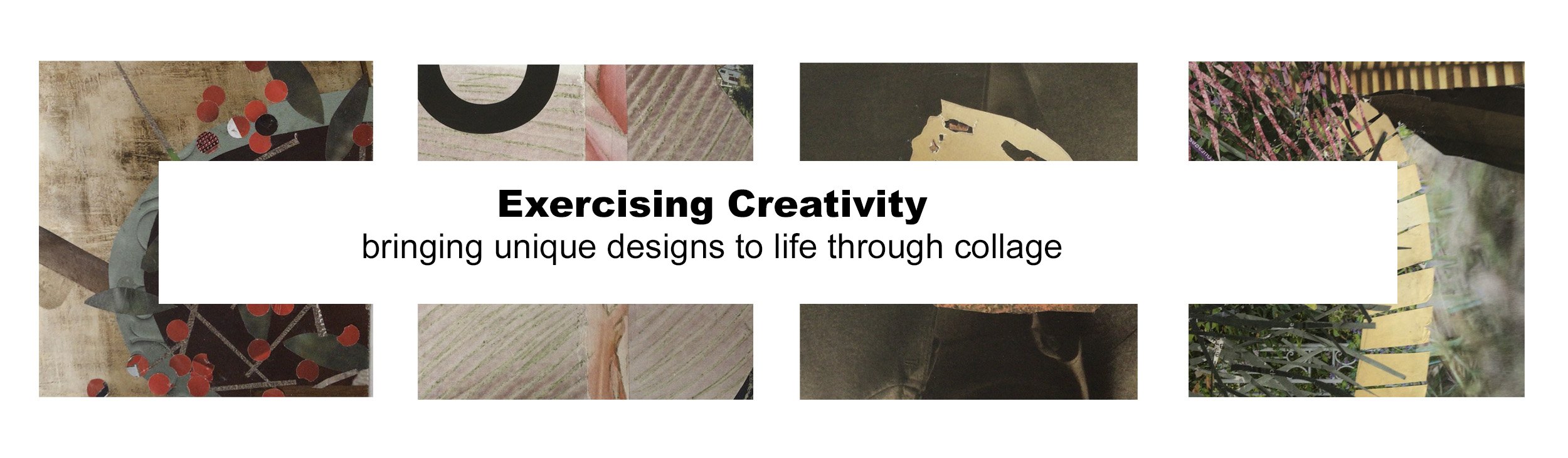
My recently released FREE mini course ‘Exercising Creativity: Building Unique Designs Through Collage’ suggests a simple process people can use to get started or to generate new ideas. I’m enjoying working in my studio at the moment but I may create another course in the future and if I do I think it would also look at ways to generate new ideas and designs.
I also have a holiday to Japan coming up, and I have a feeling that experience might find its way into my work too but who knows how?